
Operating System of the Cell: Regulation of Gene Expression
The proper functioning of any cell depends on the regulated expression of its genes. In unicellular organisms, like bacteria and yeast, gene expression is dependent on the cellular environment. In multicellular organisms, like humans, each different cell type expresses the genes required for its specialized functions. One mechanism of gene regulation involves transcription factors, proteins that bind DNA and can either turn on or turn off the synthesis of mRNA for specific genes. The focus of most of my career has been the study of transcription factor specificity, how they recognize specific sequences to alter gene expression. This talk will cover some of the history of that work and some examples of current applications of the specificity models. Gene can also be regulated post-transcriptionally, by controlling translation, or splicing or degradation. I’ve been particularly interested in post-transcriptional autoregulation, where proteins directly control the level of their own expression, and some examples will be presented.
Presented by:
Gary Stormo, Ph.D.
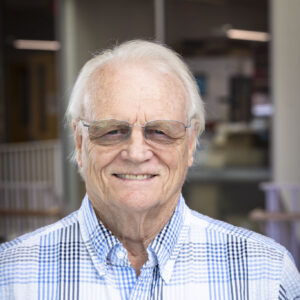
Joseph Erlanger Professor Emeritus, Genetics Department
View SlidesContact Info
Gold Lab
University of Colorado Boulder
347 UCB Boulder, CO 80309Email: info@goldlabfoundation.org